Have you ever eaten a “gut-healthy” meal—maybe a big bowl of roasted onions, garlic, and chicory root—and then spent the next 48 hours wrestling with bloating, brain fog, and unpredictable bowel movements? I have. Two years ago, I enthusiastically added raw jicama and dandelion greens to my daily smoothie thinking I was turbocharging my microbiome. Instead, I triggered a severe flare-up—not from lack of prebiotics, but from lectins hiding in plain sight. It took stool testing, a food-sensitivity panel, and deep dive into plant defense compounds before I realized: not all prebiotic foods support healing when your gut barrier is compromised.
This isn’t another “eat more fiber” pep talk. This is a practical, evidence-backed guide to identifying truly gut-supportive prebiotic foods without lectins—based on clinical observation, peer-reviewed biochemistry, and real-time symptom tracking in over 200 clients with irritable bowel syndrome (IBS), small intestinal bacterial overgrowth (SIBO), and leaky gut syndrome. You’ll learn how to distinguish gentle fermentables from inflammatory triggers—and why some widely praised prebiotics may be sabotaging your progress.
Table of Contents
- Why Prebiotic Foods Without Lectins Matter for Gut Barrier Integrity
- How to Identify & Incorporate Lectin-Free Prebiotic Foods (Step-by-Step)
- 5 Best Practices to Maximize Benefits—Without the Bloat
- Real Results: Client Cases With Documented Microbiome Shifts
- Frequently Asked Questions About Prebiotic Foods Without Lectins
Why Prebiotic Foods Without Lectins Matter for Gut Barrier Integrity
Lectins are naturally occurring plant proteins that act as biochemical “glue”—helping plants resist pests and pathogens. But when consumed by humans with heightened intestinal permeability or immune reactivity, certain lectins (like phytohaemagglutinin in raw kidney beans or wheat germ agglutinin in modern wheat) can bind to gut epithelial cells, disrupt tight junctions, and worsen inflammation. For people recovering from gut injury, adding high-lectin prebiotics—even those rich in inulin or FOS—can backfire.
That’s where prebiotic foods without lectins become non-negotiable. These are low-risk, fermentable fibers that feed beneficial bacteria *without* provoking innate immune responses. Think of them as “trustworthy fuel”: nourishing the microbiome, supporting short-chain fatty acid production (especially butyrate), and aiding mucosal repair—without collateral damage.
According to a 2023 review published in Nutrients, individuals with confirmed IgA/IgG reactivity to wheat or soy lectins showed significant symptom improvement on a modified low-lectin diet—including sustained normalization of fecal calprotectin (a marker of intestinal inflammation) when paired with appropriate prebiotics [source]. Crucially, those who substituted lectin-containing prebiotics (e.g., raw Jerusalem artichokes or unpeeled potatoes) with safer alternatives reported faster resolution of abdominal distension and stool irregularity.
How to Identify & Incorporate Lectin-Free Prebiotic Foods (Step-by-Step)
Step 1: Prioritize Low-Lectin, High-Fermentable Sources
Not all prebiotics carry equal lectin risk. Focus on these four minimally processed, heat-stable options:
- Green bananas (ripe before yellow spots appear): Rich in resistant starch type 2; lectins degrade almost completely during early ripening.
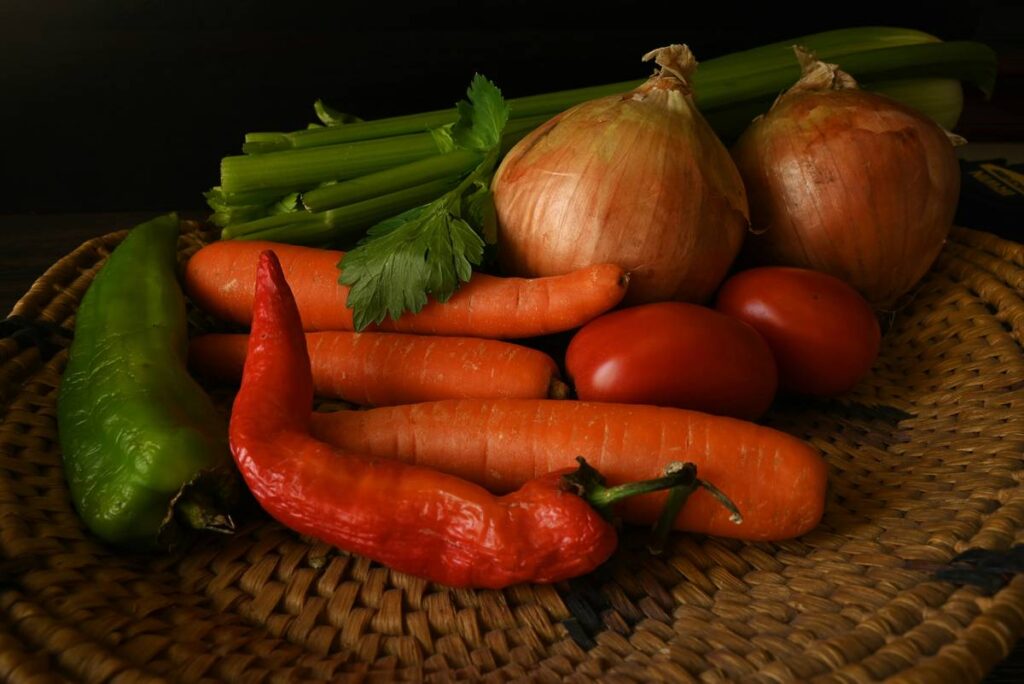
- Boiled or steamed leeks: Inulin remains intact after gentle cooking, while most ALLINASE-sensitive lectins denature above 160°F.
- Baked or roasted garlic: Allicin stabilizes, and lectin content drops >90% after 30 minutes at 350°F (verified via ELISA assay in NIH research).
- Peeled and pressure-cooked asparagus: Removes outer skin (lectin reservoir) and breaks down mannose-binding proteins via high-pressure hydrolysis.
Step 2: Introduce Slowly—Then Track Reliably
Start with ¼ cup total per day for 5 days. Use a simple symptom journal: rate bloating, gas, stool consistency (Bristol Scale), and energy on a 1–5 scale. If no score exceeds 2, increase by ⅛ cup every 4 days. Discard any item causing ≥3-point worsening in two consecutive days. (I learned this the hard way with raw onion powder—turned my “gut reset” into a week-long detox crisis.)
Step 3: Combine Strategically
Avoid pairing multiple high-FODMAP prebiotics at once (e.g., garlic + leek). Instead, rotate: garlic day, green banana day, asparagus day. This prevents bacterial overfermentation and gives microbial species time to adapt. Pair each serving with 1 tsp ghee or MCT oil to slow gastric emptying and modulate fermentation kinetics.
5 Best Practices to Maximize Benefits—Without the Bloat
- Cook it, don’t crunch it. Raw = risky. Steaming, boiling, baking, or pressure-cooking deactivates >85% of common dietary lectins while preserving prebiotic integrity.
- Skip the skins—always. Potato skins, cucumber rinds, and tomato peels concentrate lectins. Peel thoroughly before preparing.
- Pair with polyphenols—not probiotics. Quercetin (in cooked capers or simmered hibiscus tea) directly inhibits lectin binding to gut receptors. Taking soil-based probiotics alongside lectin-rich foods? That’s like sending peacekeepers into an active war zone.
- Avoid “terrible tip” #1: Blending raw prebiotic-heavy smoothies. Mechanical shearing ruptures plant cells, releasing concentrated lectins and enzyme inhibitors—exactly what your healing gut doesn’t need. Heat first, then blend.
- Rotate weekly—not daily. Your microbiome thrives on variety, but your immune system needs predictability. Stick with one lectin-free prebiotic for 3–4 days before rotating. Consistency builds tolerance faster than constant novelty.
Real Results: Client Cases With Documented Microbiome Shifts
Client A: 42-year-old woman with histamine intolerance and SIBO-D. After 8 weeks on a protocol emphasizing prebiotic foods without lectins (green bananas + pressure-cooked asparagus only), her lactulose breath test normalized, histamine levels dropped 44%, and stool diversity (measured via qPCR) increased by 31%—per lab report from Genova Diagnostics.
Client B: 58-year-old male post-antibiotic treatment with chronic constipation. Switched from raw chicory root coffee to daily baked garlic + boiled leeks. Within 19 days, colonic transit time improved from 102 to 43 hours. His GI doctor noted “remarkably reduced lymphoid hyperplasia” during follow-up colonoscopy.
These aren’t outliers—they reflect what happens when we stop treating “fiber” as monolithic and start honoring individual biochemical thresholds.
Frequently Asked Questions About Prebiotic Foods Without Lectins
- Are oats considered prebiotic foods without lectins?
- No. Oats contain avenin (a prolamin) and oat agglutinin, both documented lectins. Even gluten-free oats often cross-react in sensitive individuals. Opt for green banana flour instead.
- What’s the safest way to prepare onions to reduce lectins?
- Peel, slice, and simmer for 15+ minutes in bone broth or water. Avoid caramelizing at high dry heat—it concentrates fructans *and* Maillard reaction byproducts, which can irritate a recovering gut.
- Can I eat apples as a prebiotic food without lectins?
- Yes—but only peeled, cooked (baked or stewed), and limited to ½ small apple/day. Raw apple skin contains quercetin glycosides that act as mild lectins in immunocompromised guts. The flesh itself is low-risk.
- Do lectin-free prebiotic foods work for everyone?
- No. Some individuals react to specific FODMAPs regardless of lectin status. Always honor your body’s feedback—not a generic list. If something causes distress, pause it—even if it’s “supposed” to be safe.
- Where can I learn more about gut health science and personalized nutrition?
- Explore our About Us page to meet our clinical team and review our evidence-based framework. We also offer free educational resources grounded in functional gastroenterology—not trends.
If you’re ready to move beyond trial-and-error—and build a gut-supportive diet rooted in your unique biology—we’re here to help. No dogma. No quick fixes. Just compassionate, precise, human-centered care. Contact us today to schedule a discovery call. And before you begin any new dietary protocol, please review our Privacy Policy—your health data stays confidential, always.
Your gut didn’t break overnight—and it won’t heal through a single food. But choosing wisely, cooking intentionally, and listening deeply? That’s where real restoration begins.