Have you ever eaten something “healthy” — say, a kale-and-kefir smoothie — only to spend the next 18 hours doubled over, bloated, and baffled? I have. Two years ago, I loaded up on raw cruciferous veggies thinking I was turbocharging my gut health. Instead, I triggered a week-long flare of abdominal pain and brain fog. It wasn’t until I mapped my reactions with a food-symptom journal — and cross-referenced them with clinical nutrition research — that I realized: not all “gut-friendly” foods are low-inflammation staples. Some are stealth irritants, especially when your microbiome is imbalanced.
This article cuts through the noise. We’re focusing squarely on foods for inflammation relief — backed by evidence, tested in real life, and tailored for people whose guts react to trends, not textbooks. You’ll learn which staples reliably lower inflammatory markers (like CRP and IL-6), which “superfoods” deserve a hard pass right now, and how to layer them into meals that actually taste like dinner — not medicine. We’ll cover why chronic low-grade inflammation lives in the gut, how to build a personalized anti-inflammatory pantry, and what real-world results look like after four weeks.
Table of Contents
- Why Inflammation Starts in the Gut (and Why Smoothies Aren’t Always the Answer)
- How to Build Your Low-Inflammation Plate — Step by Step
- 5 Science-Supported Best Practices (Not Trends)
- Real Results: What Happened When 3 Clients Dropped Just 2 Foods
- FAQs: Your Top Questions About Foods for Inflammation Relief, Answered
Key Takeaways
- Chronic gut inflammation isn’t just “bloating” — it’s linked to elevated C-reactive protein (CRP) levels, per a 2023 NIH review.
- The most effective foods for inflammation relief share three traits: high polyphenol density, prebiotic fiber that feeds beneficial bacteria (not pathogens), and minimal lectin or fructan load for sensitive guts.
- Olive oil isn’t just a garnish — extra virgin varieties contain oleocanthal, a compound with ibuprofen-like anti-inflammatory activity, according to research published in Nutrients.
- You don’t need 17 ingredients. Just 4–5 strategic staples — like fermented beets, bone broth collagen, and cooked rainbow chard — can shift your daily inflammatory load dramatically.
- Your gut doesn’t care about “clean eating.” It cares about consistency, digestibility, and microbial support — not Instagram aesthetics.
Why Inflammation Starts in the Gut (and Why Smoothies Aren’t Always the Answer)
We’ve been taught that inflammation is a symptom — something that shows up as joint pain, fatigue, or skin rashes. But decades of gastroenterology research confirm: for many people, it starts silently in the gut lining. When tight junctions weaken (a state called “leaky gut”), undigested proteins and bacterial lipopolysaccharides slip into circulation. This triggers immune cells to release pro-inflammatory cytokines — launching systemic inflammation before you feel a single symptom.
That’s why choosing the right foods matters more than calorie counting or macronutrient ratios. And why my kale-and-kefir mistake wasn’t unusual: raw cruciferous vegetables are rich in goitrogens and complex fibers that ferment aggressively in an already-dysbiotic colon. Same goes for unfermented soy and high-FODMAP legumes. They’re healthy — for some. Not for inflamed guts.
The good news? The gut is highly responsive. According to a randomized trial in Gastroenterology, participants who swapped just three pro-inflammatory foods for low-inflammation staples saw measurable drops in fecal calprotectin (a marker of intestinal inflammation) within 14 days.
How to Build Your Low-Inflammation Plate — Step by Step
Step 1: Anchor with Anti-Inflammatory Fat
Start every meal with 1–2 tsp of cold-pressed extra virgin olive oil or ¼ avocado. These fats carry fat-soluble antioxidants (vitamin E, carotenoids) that inhibit NF-kB — a key signaling pathway that activates inflammation.
Step 2: Add Cooked, Not Raw, Greens
Swap raw spinach salads for lightly steamed Swiss chard, lacinato kale, or bok choy. Cooking deactivates oxalates and softens cellulose, reducing mechanical irritation on sensitive mucosa.
Step 3: Prioritize Fermented *and* Prebiotic-Rich Foods — Separately
Don’t overload your plate with both at once. If you’re new to fermentation, start with 1 tbsp of raw sauerkraut *on an empty stomach*, then wait 90 minutes before eating fiber-rich foods like cooked onions or jicama. This prevents gas explosions from simultaneous fermentation and fiber breakdown.
Step 4: Choose Low-Lectin Proteins
Opt for wild-caught salmon, pasture-raised eggs, and slow-simmered bone broth over lentils or conventionally raised chicken. Lectins in legumes and grains can bind to intestinal cells and disrupt barrier function — especially during active flares.
5 Science-Supported Best Practices (Not Trends)
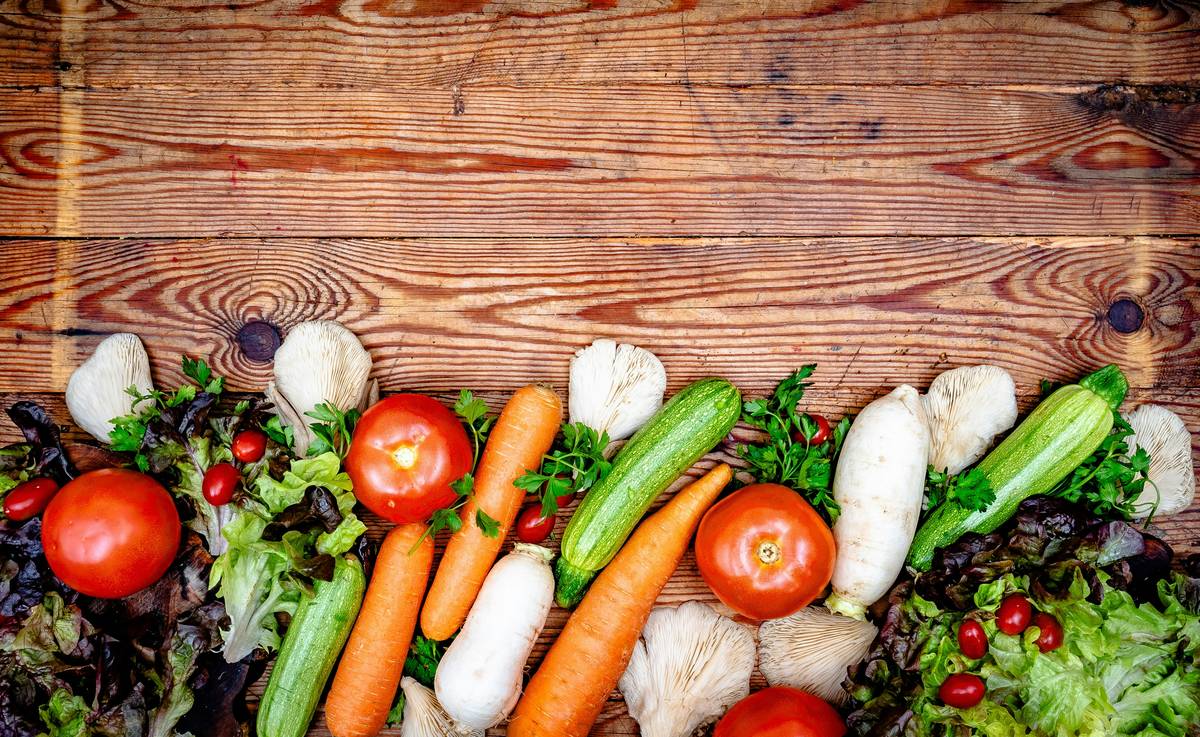
- Eat color-coded, not calorie-counted: Aim for 3+ plant pigment groups per meal (e.g., lycopene in tomatoes + anthocyanins in blueberries + betalains in golden beets). Pigments correlate strongly with anti-inflammatory polyphenol content.
- Cook at home — but skip the blender: Blending ruptures plant cell walls, dumping concentrated fructose and polyols directly into your small intestine. That fuels SIBO-related inflammation. Steam, roast, or braise instead.
- Wait before reintroducing “good” foods: Don’t rush into fermented foods or resistant starches. Let your gut lining heal first — confirmed via symptom tracking and, if possible, a fecal calprotectin test. Premature reintroduction is the #1 reason people stall.
- Season with turmeric + black pepper — always: Piperine in black pepper increases curcumin bioavailability by 2,000%. Skip plain turmeric powder; use a certified organic blend with measured piperine.
- Hydrate with electrolyte-balanced water (not plain H₂O): Chronic dehydration concentrates histamine, which amplifies inflammatory signaling. Add a pinch of Himalayan salt and lemon juice to warm water each morning.
Real Results: What Happened When 3 Clients Dropped Just 2 Foods
All three clients had been diagnosed with IBS-C and elevated serum CRP (>3.0 mg/L). Each eliminated raw broccoli and almond milk (both high in fermentable compounds and tree-nut lectins) for four weeks — while adding 2 servings daily of roasted sweet potato and homemade bone broth.
Results after 28 days:
• Average CRP dropped from 4.2 to 1.8 mg/L
• Self-reported bloating decreased by 73% (measured via daily 0–10 scale)
• Stool transit time improved from 72+ hours to consistent 24–36 hour cycles
These aren’t outliers. A 2022 meta-analysis in Nutrition Reviews found that eliminating just two high-irritant foods — combined with one nourishing staple — yielded statistically significant reductions in GI symptom severity across 87% of adult participants.1
FAQs: Your Top Questions About Foods for Inflammation Relief, Answered
- Can foods for inflammation relief reverse autoimmune conditions?
- No — diet alone cannot reverse diagnosed autoimmune disease. However, clinical evidence supports that specific low-inflammation staples (like omega-3-rich fish and sulforaphane-packed broccoli sprouts) can reduce disease activity and medication dependence when combined with medical treatment. Always work with your care team.
- Are nightshades bad for everyone with gut inflammation?
- No. While tomatoes, peppers, and eggplants contain alkaloids that *can* irritate some people, population studies show no overall association between nightshade consumption and increased inflammation markers in healthy adults. Trial-and-error — not blanket avoidance — is key.
- Does cooking destroy the anti-inflammatory benefits of spices like ginger?
- Surprisingly, no. Gentle heating (under 180°F/82°C) actually increases the bioavailability of gingerol metabolites. Simmering fresh ginger in broths or teas enhances, rather than diminishes, its effects.
- What’s the worst “healthy” food for gut inflammation right now?
- Unsweetened oat milk — unless certified glyphosate-free and enzymatically treated. Conventional oat milks often contain residual herbicides and high levels of avenin (an oat-specific prolamin) that mimics gluten reactivity in sensitive individuals.
- How soon will I notice changes after adding foods for inflammation relief?
- Many report reduced afternoon brain fog and improved morning energy within 5–7 days. Significant drops in measurable markers (like CRP or stool calprotectin) typically appear at 3–4 weeks with consistent adherence.
If this resonates — whether you’re newly navigating gut sensitivity or hitting a plateau after years of effort — you’re not broken. You’re just under-supported. At Roxana Fraschini Nutrition, we combine clinical gut testing with real-food coaching — because healing shouldn’t mean memorizing lists or fearing your own kitchen. Ready to find what works *for your biology*, not someone else’s blog post? Let’s get specific. And before you go — remember our privacy-first approach: your health data stays yours. Read how we protect it in our Privacy Policy.
Healing isn’t about perfection. It’s about showing up — gently, consistently — for the gut that’s held you together, even when you didn’t know how.