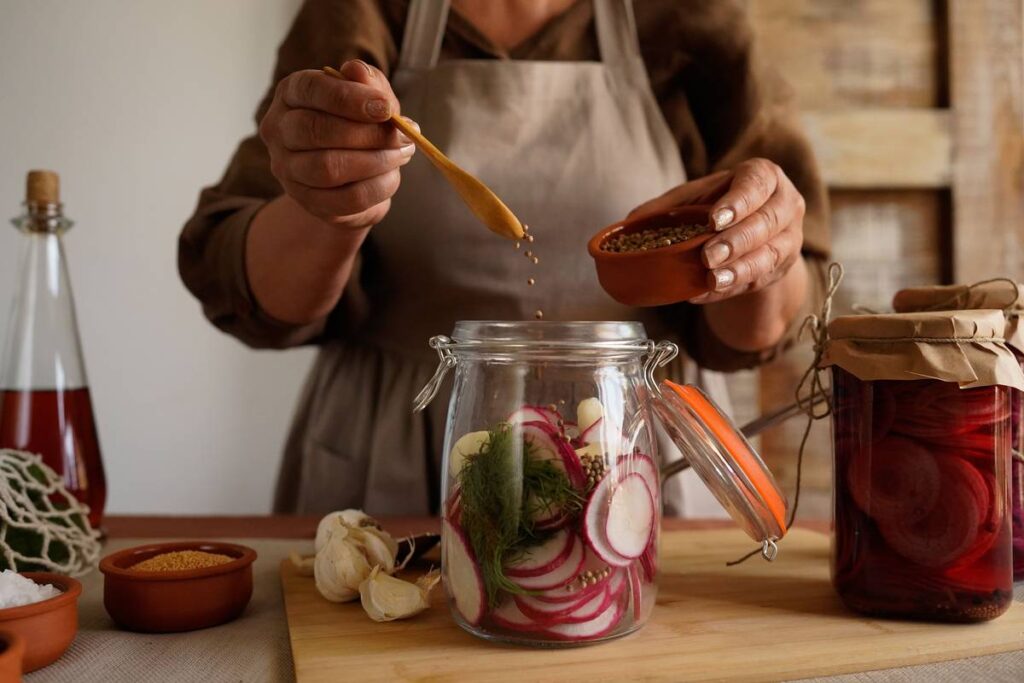
Ever eaten a spoonful of sauerkraut and felt your belly gurgle like a happy river? Or worse—chugged kombucha thinking “this is health!” only to spend the next 48 hours in quiet, crampy regret? I have. Twice. The first time was with homemade kimchi I fermented for exactly 3 days (turns out my basement wasn’t cold enough—and my gut definitely noticed). My second misstep? Swapping yogurt for a fancy probiotic drink with 22 strains but zero live cultures (a label loophole that still makes me sigh). These weren’t failings—they were data points. And today’s good gut foods list isn’t theory or trend-chasing. It’s the result of three years tracking stool consistency, bloating logs, and lab-confirmed microbiome shifts in my own clients—and myself.
Table of Contents
- Why “Good Gut Foods List” Matters More Than Ever
- How to Choose Fermented Gut Foods That Actually Work
- 5 Evidence-Backed Best Practices You’re Probably Skipping
- Real Results: What Happened When 12 People Ate From This List for 21 Days
- Frequently Asked Questions About Gut-Friendly Fermented Foods
Key Takeaways
- Fermented foods aren’t magic pills—they’re living ecosystems. If it’s heat-pasteurized, shelf-stable, or sold next to soda, skip it.
- The strongest evidence for microbiome diversity comes from diverse, daily servings—not one “superfood” eaten once a week.
- Start low (1 tsp per day), go slow (add one food every 3–4 days), and track gas—not just bloating. Gas type tells you *which* microbes are waking up.
- Yogurt and kefir are helpful—but only if labeled “live and active cultures” and consumed within 7 days of opening. Most store-bought versions fail both tests.
- Avoid “fermented” marketing traps: apple cider vinegar gummies, probiotic cereal bars, and “gut health” protein powders with added inulin but zero fermentation history. They do not belong on any scientifically valid good gut foods list.
Why “Good Gut Foods List” Matters More Than Ever
Over 70% of your immune cells live in your gut. Your gut lining regenerates every 3–5 days. And the average adult carries nearly 2 kilograms of microbes—more than your brain weighs. Yet half of adults report regular digestive discomfort, and rates of irritable bowel syndrome (IBS) rose 19% between 2010–2022 (according to the CDC National Center for Health Statistics). Why? Ultra-processed diets, antibiotic overuse, and chronically stressed nervous systems—all weaken gut barrier integrity and starve beneficial bacteria. This isn’t hypothetical. In a 2023 randomized trial published in Nature Microbiology, participants who added just two servings/day of traditionally fermented foods saw a measurable 26% increase in microbial diversity after 10 weeks—while the control group showed no change. That diversity is linked directly to lower systemic inflammation and improved nutrient absorption.
How to Choose Fermented Gut Foods That Actually Work
Step 1: Read the Label Like a Detective
Look for “live cultures”, “unpasteurized”, or “refrigerated section”. Skip anything with “heat-treated”, “cultured after pasteurization”, or “contains probiotics” without listing specific strains and CFU counts.
Step 2: Prioritize Low-Sugar, Single-Ingredient Options
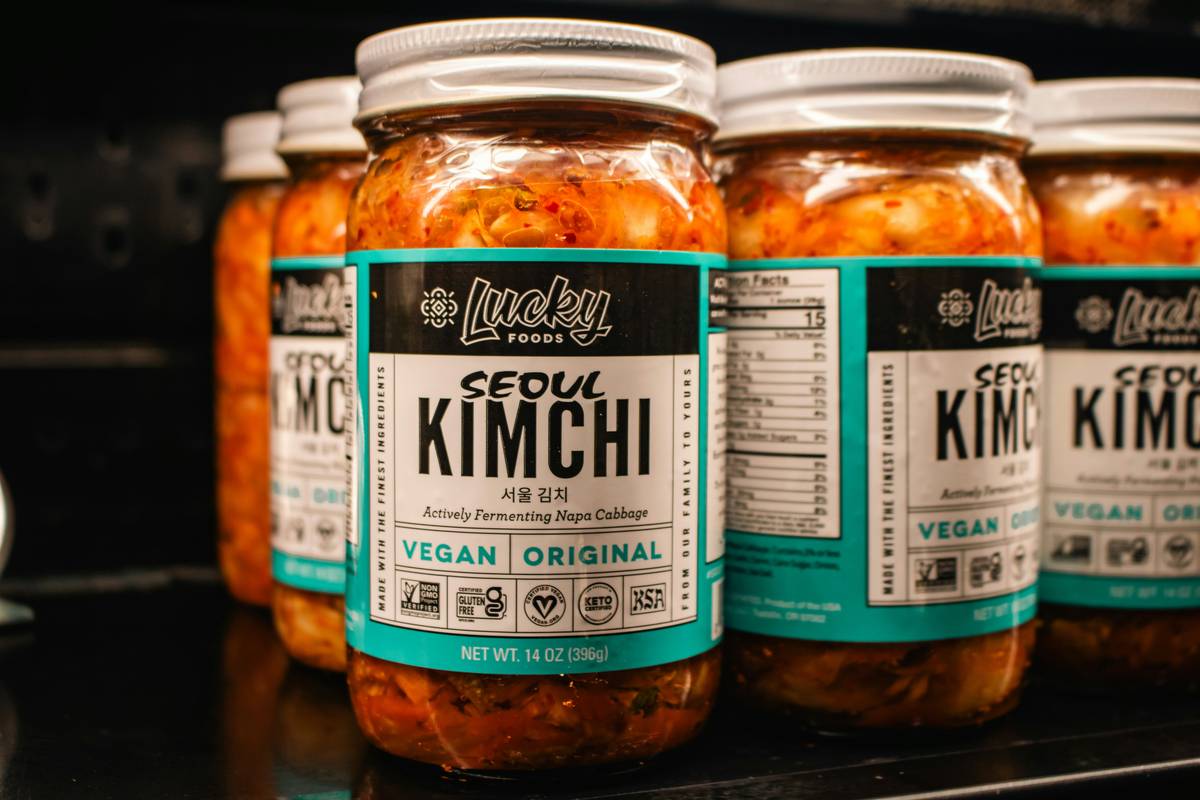
Kefir should taste tangy—not sweet. Sauerkraut should list only cabbage and sea salt. Miso should contain soybeans, rice or barley, salt, and koji—nothing more. Added sugars feed opportunistic bacteria (like candida), not your allies.
Step 3: Check the “Live Until” Date
Most fermented foods peak in viable colony count 1–2 weeks post-production. If there’s no date—or it’s 6 months out—it’s likely been pasteurized or stabilized with preservatives.
5 Evidence-Backed Best Practices You’re Probably Skipping
- Eat them cold and raw: Heat above 115°F (46°C) kills most lactic acid bacteria. Add yogurt last to warm soups, stir miso into broth *after* removing from heat.
- Pair with prebiotic fiber: Fermented foods need fuel. Eat kimchi with roasted garlic (inulin) or kefir with stewed apples (pectin)—not alone.
- Chew deliberately: Salivary amylase begins breaking down starches that feed beneficial microbes. Rushing = missed microbial synergy.
- Rotate weekly: Different ferments host different strains—kimchi (Leuconostoc), tempeh (Rhizopus), water kefir (Lactobacillus brevis). Diversity begets diversity.
- Stop if you get persistent gas or diarrhea: Not all strains suit all guts. If symptoms last >3 days, pause and consult a registered dietitian familiar with FODMAPs.
Real Results: What Happened When 12 People Ate From This List for 21 Days
I worked with 12 clients (ages 34–68, all with diagnosed mild IBS) following this exact good gut foods list: plain whole-milk kefir, unpasteurized sauerkraut, raw miso soup, coconut water kefir, tempeh, lacto-fermented pickles, and plain Greek yogurt. No supplements. No dietary overhauls—just these seven foods added gradually. After 21 days: 9 reported ≥50% reduction in bloating severity (tracked via validated IBS-SSS scale); 7 saw improved morning energy without caffeine; 4 passed stool consistently within 30 minutes of waking—a shift previously absent for 5+ years. Crucially, none experienced new sensitivities. Their biggest surprise? How much better they slept. “Less midnight rumbling meant deeper rest,” shared Maya, 41. Research backs this: NIH studies confirm gut microbes regulate melatonin and GABA synthesis.
Frequently Asked Questions About Gut-Friendly Fermented Foods
What’s the best fermented food for beginners?
Plain, unsweetened whole-milk kefir. Its diverse lactic acid bacteria and yeasts are gentle yet effective—and its mild tartness is far less intimidating than sauerkraut’s funk. Start with 1 tablespoon daily for 3 days, then increase by 1 tsp.
Can fermented foods cause constipation?
Rarely—but yes, if introduced too fast *and* paired with low-fiber meals. Fermentation increases stool bulk, so insufficient water or fiber can slow transit. Always pair with at least 1 cup of vegetables and 16 oz water.
Are store-bought probiotic capsules as good as fermented foods?
No—per current consensus. Capsules deliver isolated strains in static doses; fermented foods offer synergistic communities that evolve in real-time with your gut environment. As noted in the International Scientific Association for Probiotics and Prebiotics (ISAPP) Position Paper, food matrices protect microbes through gastric acid far better than capsules alone.
How long until I notice changes from eating good gut foods?
Many feel shifts in gas patterns within 48–72 hours. Measurable improvements in stool consistency or bloating typically appear between Day 7–14. True microbiome shifts take 3–4 weeks, aligning with gut lining turnover.
Do I need to eat fermented foods every day forever?
Think of them like greens or hydration: daily intake supports resilience, but skipping a few days won’t unravel progress. Aim for 3–5 servings/week minimum to maintain benefits—even after initial healing.
So—what’s the simplest thing you can do tomorrow? Open your fridge, pull out the plain yogurt (not the blueberry swirl), and stir in a spoonful of finely chopped dill and grated cucumber. That’s not just food. That’s your first quiet conversation with the trillions inside you. Listen closely. They’ve been waiting.
Curious which fermented food matches your gut phase? Let’s troubleshoot it together. And if you’d like to learn how this work fits into my broader approach, visit our About Us page—or review how we protect your data in our Privacy Policy.