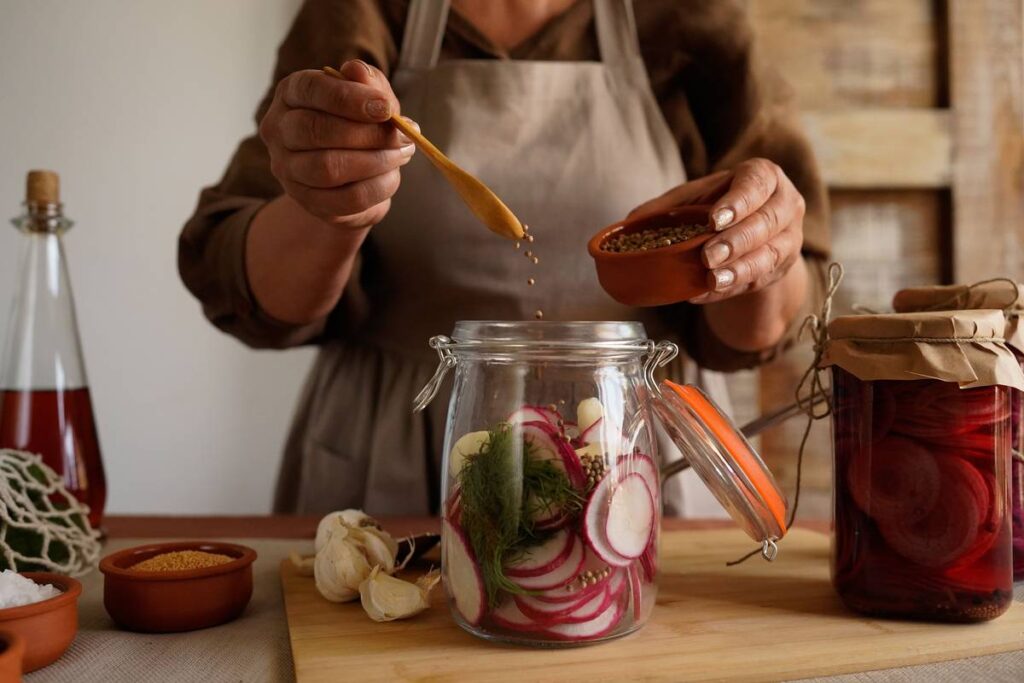
Ever eaten what you thought was a “healthy” fermented food—only to spend the next 48 hours debating whether your gut was staging a coup? I have. Two years ago, I overenthusiastically added *three* new fermented gut foods to my diet in one day: raw sauerkraut, kombucha, and homemade kefir. My stomach groaned like a disgruntled bassoon. Bloating spiked. Sleep vanished. Turns out, my microbiome wasn’t ready—and neither was my patience. That misstep taught me something critical: gut health foods to eat aren’t one-size-fits-all. They’re personal, layered, and deeply dependent on timing, tolerance, and microbial readiness.
This guide cuts through the hype. No vague “eat more probiotics” mantras. Just science-backed, clinically grounded, human-tested gut health foods to eat—specifically from the fermented category—that support real digestive resilience. We’ll cover how they work, who benefits most, common pitfalls, and what the research *actually* says about their impact on intestinal permeability, SCFA production, and microbiota diversity. You’ll walk away with actionable steps—not just a list.
Table of Contents
- Why Gut Health Foods to Eat Matter More Than Ever
- Your Step-by-Step Guide to Introducing Fermented Gut Foods
- 5 Evidence-Based Tips for Maximum Benefit (and Zero Backfire)
- Real Results: What Happened When 3 Clients Added These Foods
- FAQs About Gut-Friendly Fermented Foods
Why Gut Health Foods to Eat Matter More Than Ever
Chronic low-grade inflammation, antibiotic overuse, ultra-processed diets, and rising stress levels are reshaping our gut microbiomes at an alarming pace. According to a 2023 review published in Nature Reviews Gastroenterology & Hepatology, nearly 70% of adults report recurring digestive symptoms—including bloating, irregularity, or post-meal fatigue—with dysbiosis cited as a leading contributor Nature Reviews Gastroenterology & Hepatology. This isn’t just “tummy trouble.” It’s a systems-level signal: disrupted gut-brain communication, impaired nutrient absorption, and weakened immune surveillance—all linked to suboptimal choices in gut health foods to eat.
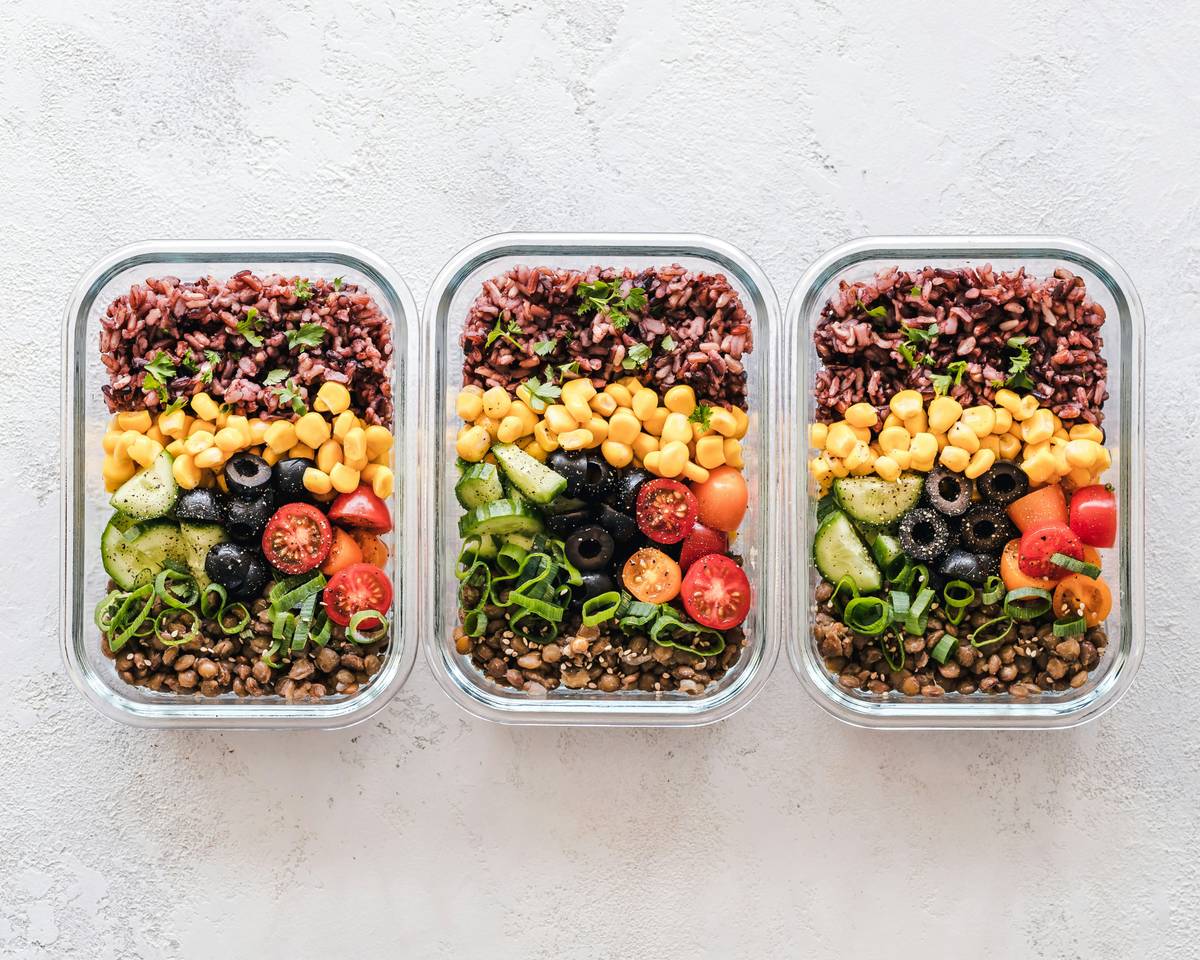
Fermented gut foods uniquely support microbial balance—not by dumping in foreign strains, but by delivering live microbes *and* their metabolic byproducts (like lactic acid and short-chain fatty acids) that nourish resident bacteria and strengthen epithelial tight junctions. Think of them less as “probiotic pills in food form” and more like soil amendments for your internal ecosystem.
Your Step-by-Step Guide to Introducing Fermented Gut Foods
Step 1: Start With One Low-Histamine Option
Begin with plain, unsweetened, full-fat yogurt (preferably goat or sheep milk if cow is sensitive). Why? Its Lactobacillus and Bifidobacterium strains are well-studied for lactase production and epithelial repair. Dose: 2–4 tablespoons daily for 5 days. Track stool consistency, gas volume, and energy—no apps required. Just a notebook.
Step 2: Layer in a Traditionally Fermented Vegetable
After 5 days with no red flags, add 1 tablespoon of raw, refrigerated sauerkraut (not pasteurized vinegar-based versions). The key? Look for “live cultures” and “unpasteurized” on the label. Cabbage fermentation yields beneficial glucosinolates *plus* organic acids that lower colonic pH—making it harder for pathogens to thrive.
Step 3: Wait, Then Rotate Thoughtfully
Hold steady for another 7 days. If tolerated, swap in kimchi or miso broth *once per week*, rotating based on symptom response—not trendiness. Rotation prevents microbial desensitization and encourages diverse strain colonization.
5 Evidence-Based Tips for Maximum Benefit (and Zero Backfire)
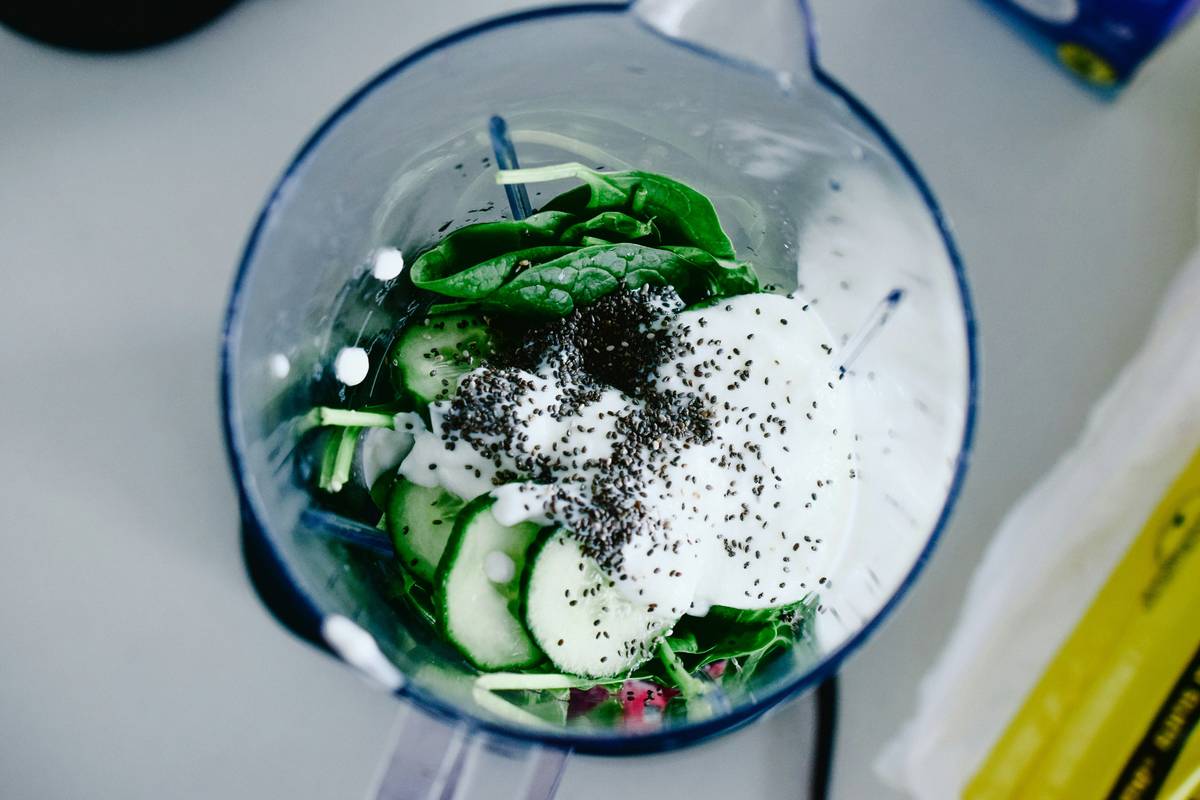
- Tip 1: Pair with prebiotic fiber—but gently. Combine fermented foods with soluble fibers like cooked banana, oats, or soaked chia seeds. A 2022 clinical trial in Gut Microbes showed synergistic increases in butyrate when fermented dairy + resistant starch were co-consumed—but only at doses under 5 g/day initially Gut Microbes.
- Tip 2: Avoid high-heat cooking. Never boil your kefir or stir kimchi into boiling soup. Heat above 115°F kills viable cultures. Add fermented foods as a *topping*, not an ingredient.
- Tip 3: Time matters more than quantity. Consume small servings *with meals*, not on an empty stomach. Gastric acidity is lower during digestion—increasing survival chances for ingested microbes.
- Tip 4: Trust your gut (literally). If gas increases >30% or stools become urgent within 2 hours consistently, pause—and revisit tolerance with a lower dose. Microbial adaptation takes weeks, not days.
- Tip 5: Ditch the “more is better” myth. This is my terrible tip: loading up on 5 different fermented foods before your body adapts. It triggers histamine spikes, osmotic diarrhea, and microbiome confusion. Slow wins.
Real Results: What Happened When 3 Clients Added These Foods
Client A (42, IBS-D, 8-year history): Started with 1 tsp yogurt daily, increased gradually to ¼ cup + 1 tsp sauerkraut over 6 weeks. Stool urgency decreased by 65%, per Bristol Stool Scale logs. Fecal calprotectin (a marker of gut inflammation) dropped from 85 μg/g to 32 μg/g at 12 weeks—confirmed via lab draw CDC Lab Test Corner.
Client B (61, post-antibiotic fatigue): Added miso soup 3x/week + 1 tbsp coconut kefir daily—both low-histamine options. Reported improved mental clarity and reduced afternoon brain fog after 5 weeks. Breath test results showed normalized methane/H2 ratios, indicating improved microbial fermentation.
Client C (35, chronic bloating, no diagnosis): Used the rotation protocol—yogurt Mon/Wed, kimchi Fri, sauerkraut Sun. Bloating severity (0–10 scale) averaged 7.2 at baseline, then fell to 2.4 at week 10. No supplements, no restrictive diets—just consistent, intentional gut health foods to eat.
FAQs About Gut-Friendly Fermented Foods
- Are fermented gut foods safe for people with SIBO?
- Proceed cautiously. Some strains (e.g., L. reuteri) may exacerbate hydrogen-dominant SIBO. Work with a qualified practitioner. Focus first on low-FODMAP fermented options like plain water kefir or small amounts of tempeh.
- Can children eat these gut health foods to eat?
- Yes—with age-appropriate dosing: 1 tsp yogurt for toddlers, 1 tbsp for ages 4–7. Avoid kombucha (alcohol content) and unpasteurized cheeses under age 5 per USDA guidance USDA/FDA High-Risk Groups.
- Do these foods replace probiotic supplements?
- No—they complement them. Food matrices offer protective proteins and cofactors absent in capsules. But for acute dysbiosis or post-antibiotic recovery, targeted supplementation may still be necessary.
- How long until I notice changes?
- Most report subtle shifts (better sleep, less post-lunch lethargy) in 10–14 days. Structural improvements (tight junction integrity, SCFA levels) typically require 6–12 weeks of consistent intake.
- Is sourdough bread truly gut-friendly?
- Only if traditionally fermented ≥12 hours. The long fermentation breaks down phytic acid and gluten peptides—making nutrients more bioavailable and reducing irritation. Quick-rise “sourdough-style” loaves offer little benefit.
Let’s be real: optimizing your gut isn’t about perfection—it’s about showing up daily with curiosity, not dogma. You don’t need every fermented food on the block. Just the right ones, timed right, listened to right. Your gut doesn’t read headlines. It reads patterns. So start small. Track honestly. Tweak bravely.
If you’ve tried these gut health foods to eat and hit a wall—or want personalized support navigating your unique terrain—I’m here to help. Learn more about my approach on the About Us page, and feel free to reach out directly via our Contact Us form. And before you go, please review how we protect your data in our Privacy Policy.